Sarstat: Research papers collection:
These are a collection of research papers presented for consolidated convenience on COVID-19 era concerns and remedies.
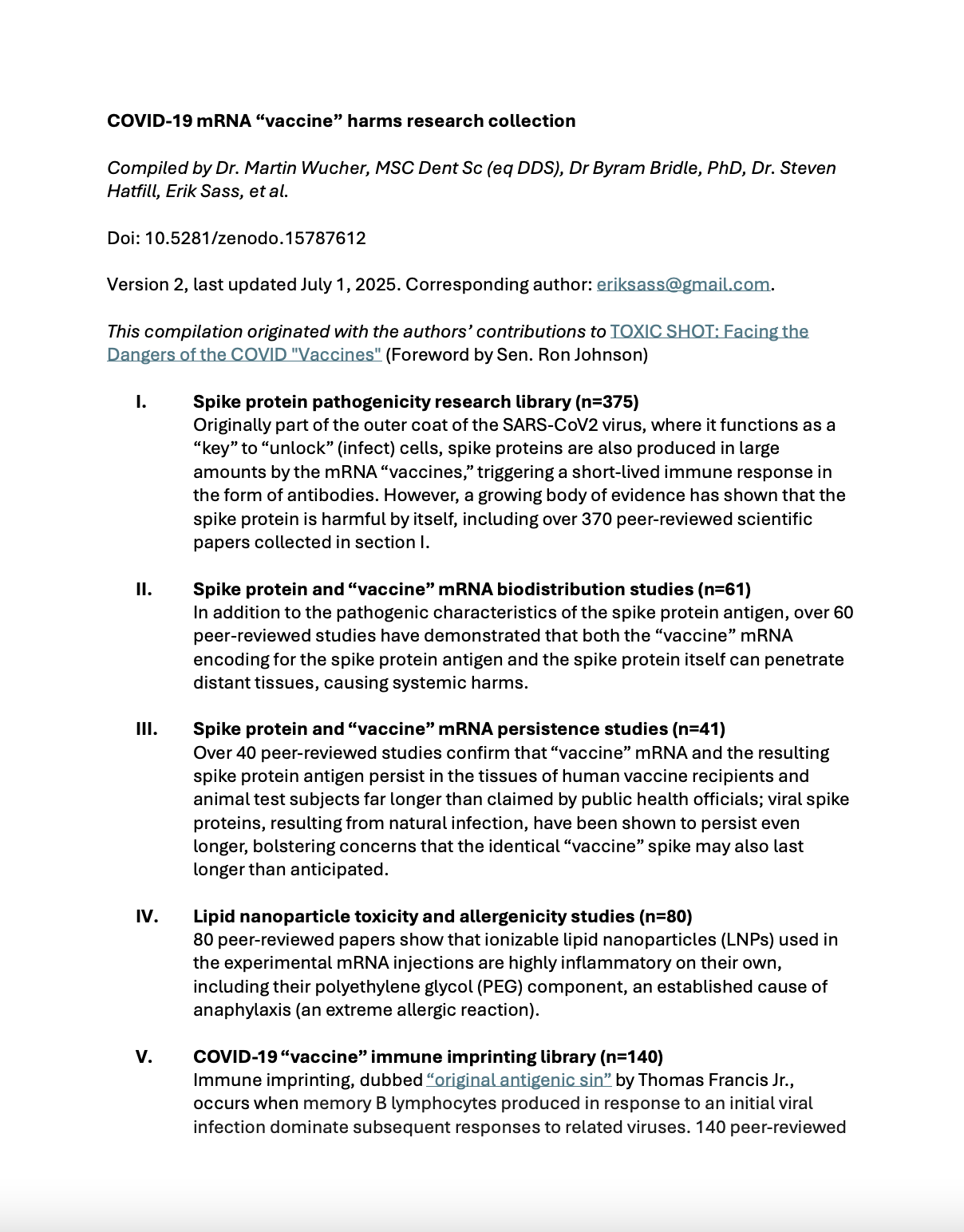
COVID-19 mRNA “vaccine” harms research collection
Compiled by Dr. Martin Wucher, MSC Dent Sc (eq DDS), Dr Byram Bridle, PhD, Dr. Steven Hatfill, Erik Sass, et al. Doi: 10.5281/zenodo.15787612 Version 2, last updated July 1, 2025. Corresponding author: eriksass@gmail.com. This compilation originated with the authors’ contributions to TOXIC SHOT: Facing the Dangers of the COVID "Vaccines" (Foreword by Sen. Ron Johnson)
View PDF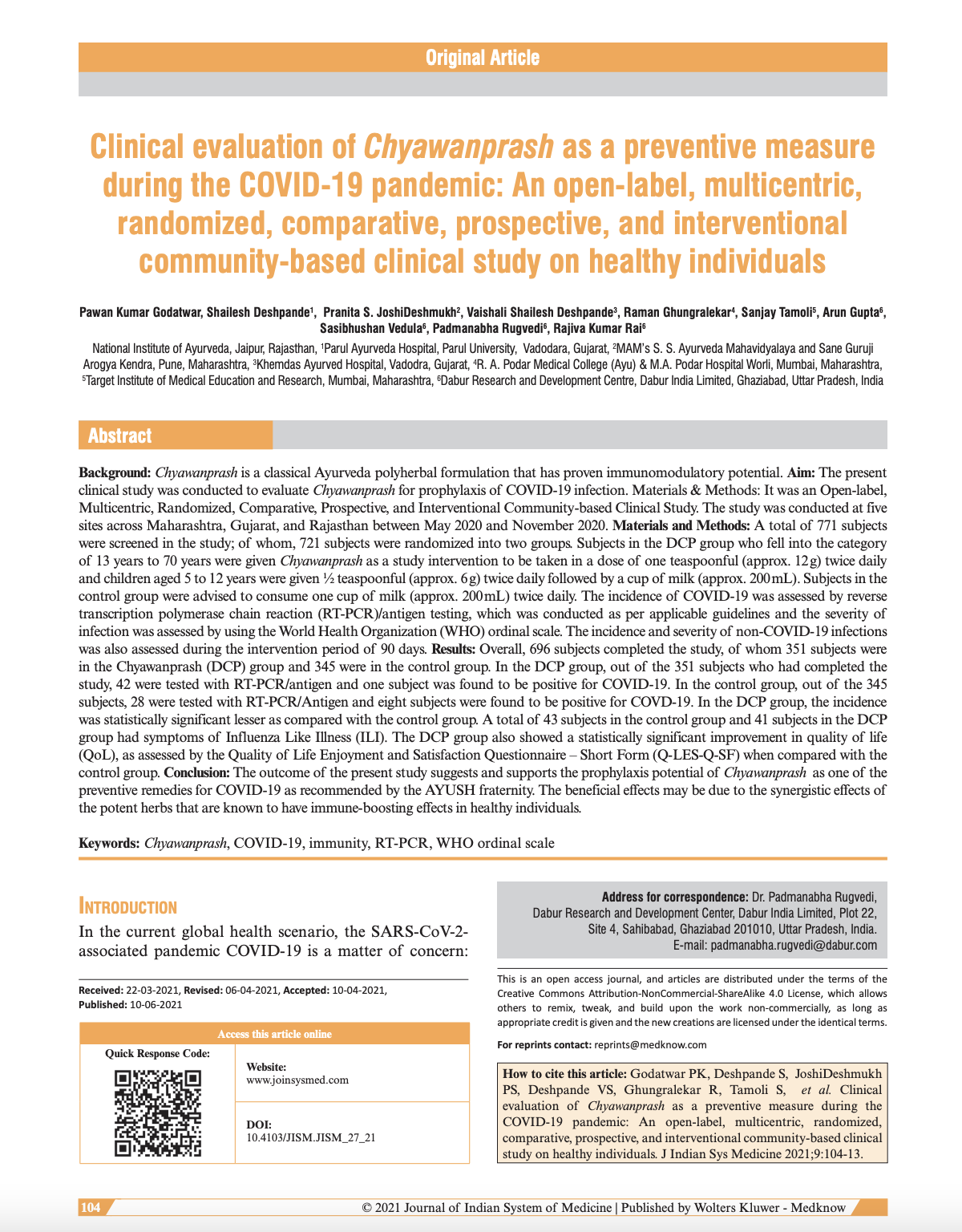
Clinical evaluation of Chyawanprash as a preventive measure during the COVID-19 pandemic
An open-label, multicentric, randomized, comparative, prospective, and interventional community-based clinical study on healthy individuals. Journal of Indian System of Medicine 9(2):p 104-113, Apr–Jun 2021. | DOI: 10.4103/jism.jism_27_21
View PDF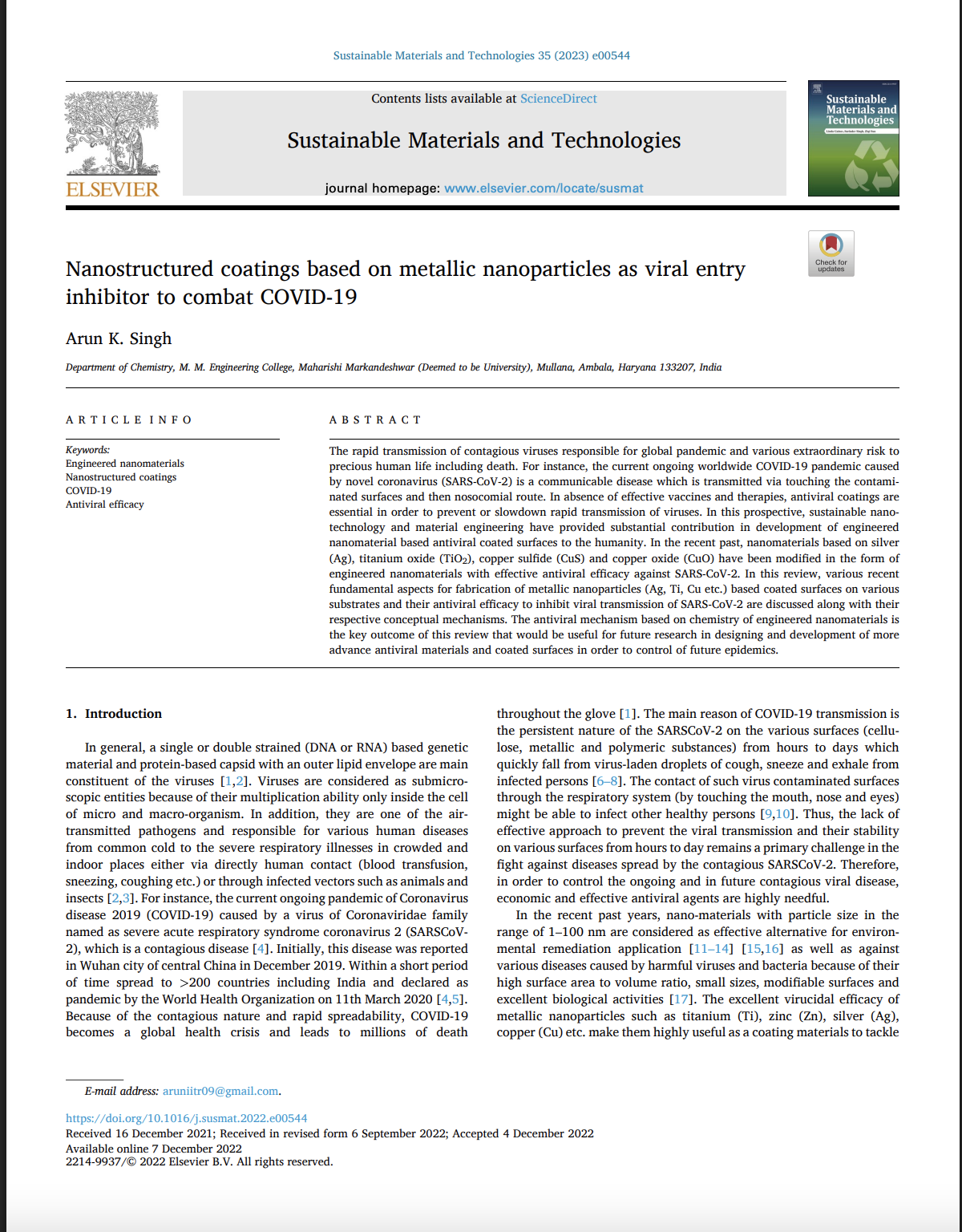
Nanostructured coatings based on metallic nanoparticles as viral entry inhibitor to combat COVID-19
By Arun K. Singh, Department of Chemistry, M. M. Engineering College, Maharishi Markandeshwar (Deemed to be University), Mullana, Ambala, Haryana 133207, India. SARSCoV-2 resistance and inactivation efficacy of metallic nanoparticles. Modes of antiviral mechanism includes direct disinfection, indirect disinfection and receptor inactivation to effectively disable SARSCoV-2 The anti-viral efficacy of copper nanoparticles integrated/coated surfaces against SARSCoV-2.
View PDF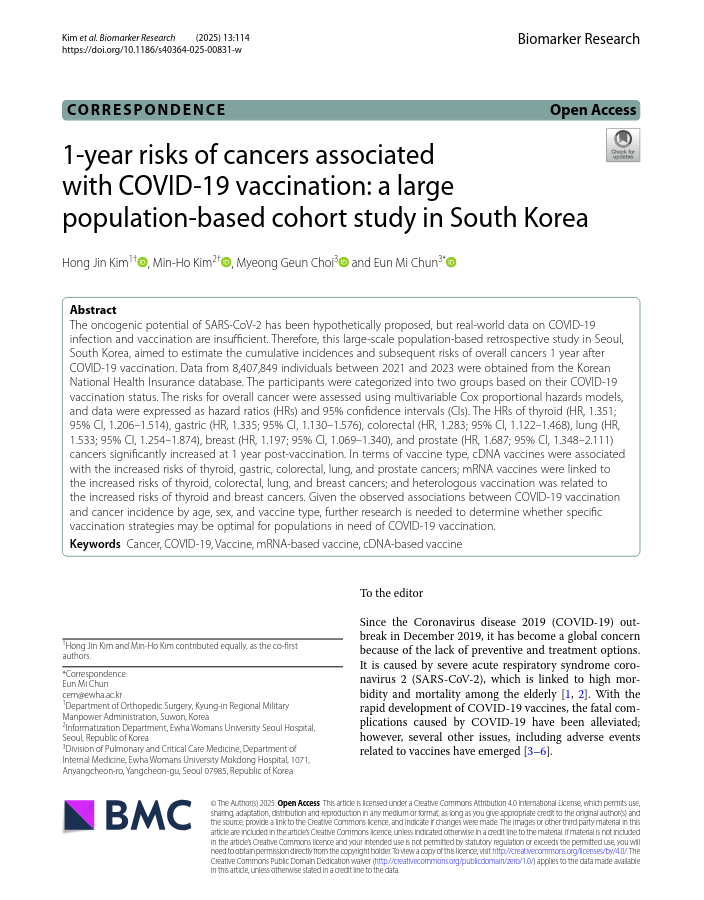
1-Year Risks of Cancers Associated with COVID-19 Vaccination
This retrospective cohort study, published in Biomarker Research (2025), investigates the one-year cancer risks associated with COVID-19 vaccination using South Korea’s National Health Insurance database, analyzing 8,407,849 vaccinated individuals from 2021–2023. Through propensity score matching and Cox proportional hazards models, the study identifies elevated risks for six cancers post-vaccination—thyroid (HR 1.351), gastric (HR 1.335), colorectal (HR 1.283), lung (HR 1.533), breast (HR 1.197), and prostate (HR 1.687)—with variations by vaccine type (mRNA, cDNA, or heterologous), sex, and age. Notably, mRNA vaccines were linked to thyroid, colorectal, lung, and breast cancers, while boosters increased gastric and pancreatic risks. Although causality is not established, the findings suggest potential vaccine-related oncogenic pathways, urging further mechanistic studies and highlighting the need for biomarker-driven surveillance to inform public health strategies.
View PDF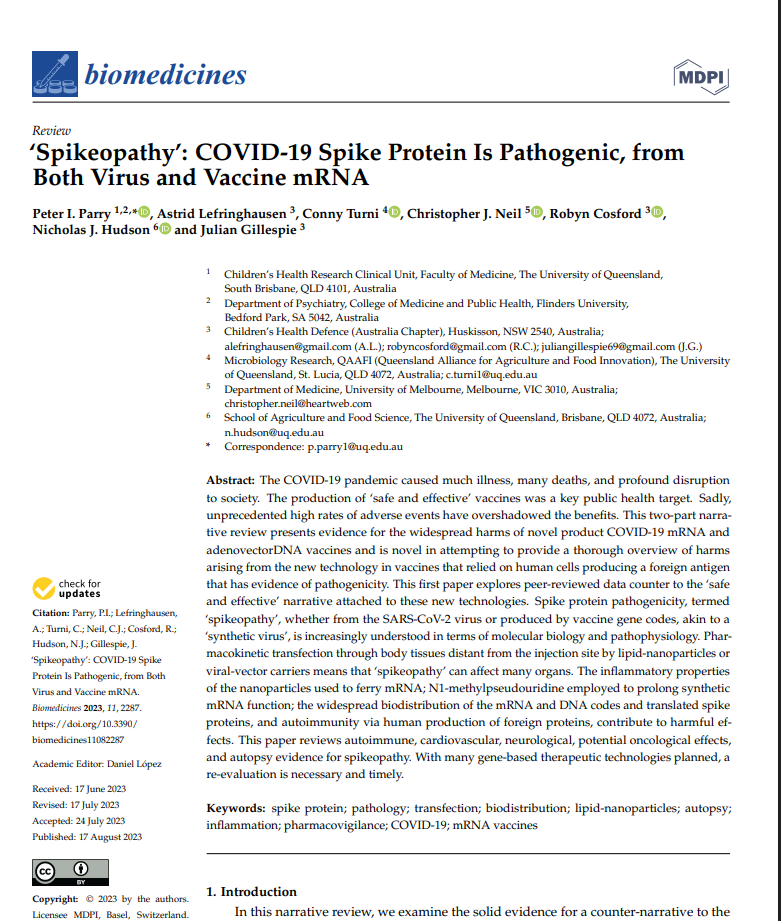
‘Spikeopathy’: COVID-19 Spike Protein Is Pathogenic, from Both Virus and Vaccine mRNA
The authors compile evidence from various studies showing spike protein effects such as inflammation, vascular damage, thrombosis, cardiac issues, neurological problems, and potential long-term tissue damage through mechanisms like endothelial dysfunction, ACE2 disruption, and autoimmunity. They highlight reports of unusually high adverse event rates post-vaccination compared to historical vaccine safety standards, suggesting that the spike protein from both natural infection and vaccine-induced expression contributes to "spikeopathy."
View PDF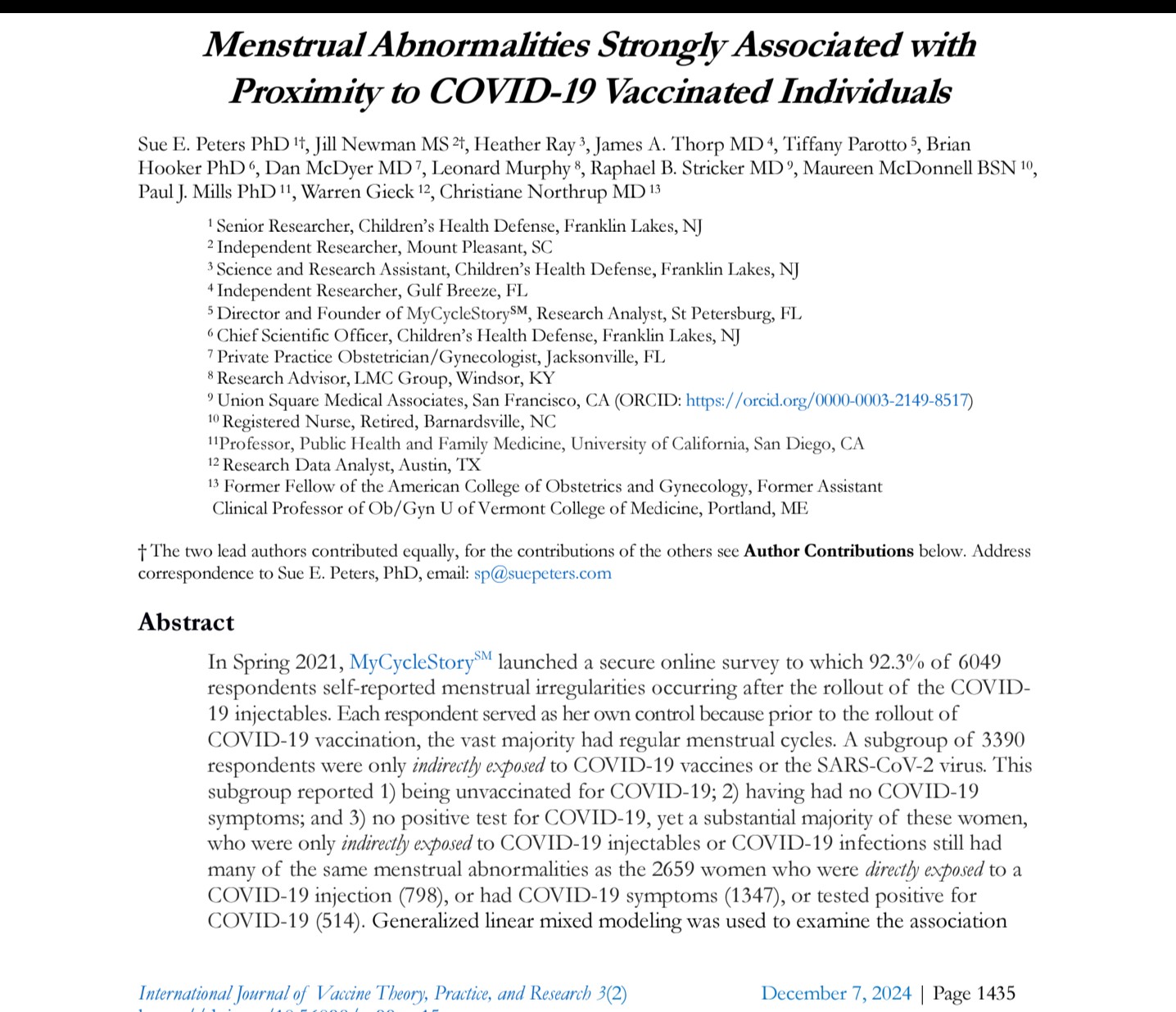
Menstrual Abnormalities Strongly Associated with Proximity to COVID-19 Vaccinated Individuals
This observational survey-based study examines self-reported menstrual irregularities in women following the rollout of COVID-19 vaccines, with a focus on potential indirect effects from proximity to vaccinated individuals (sometimes referred to in discussions as possible "shedding" or transmission effects, though the paper frames it as association via proximity rather than proven causation).
View PDF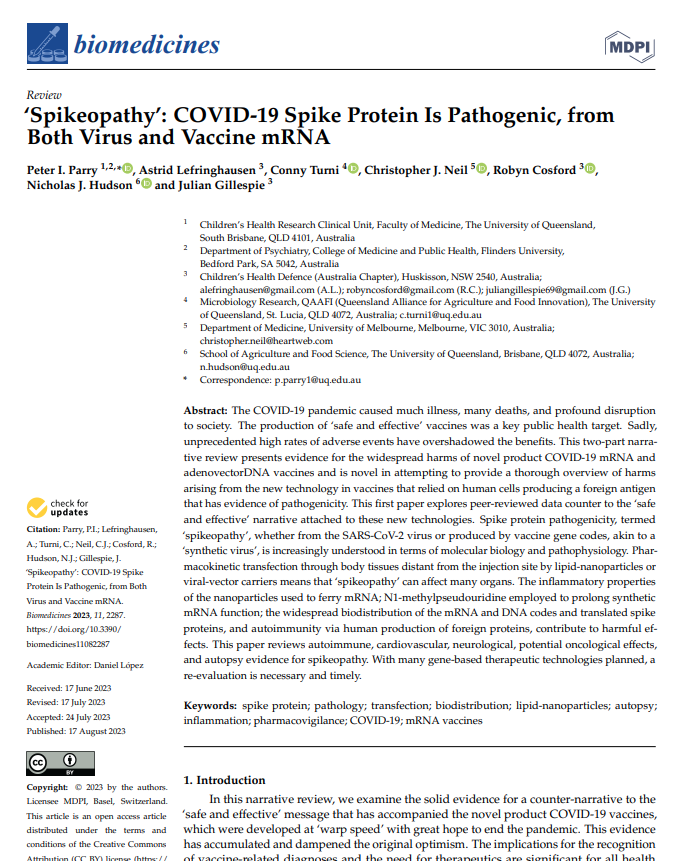
‘Spikeopathy’: COVID-19 Spike Protein Is Pathogenic, from Both Virus and Vaccine mRNA
The COVID-19 pandemic caused much illness, many deaths, and profound disruption to society. The production of ‘safe and effective’ vaccines was a key public health target. Sadly, unprecedented high rates of adverse events have overshadowed the benefits. This two-part narrative review presents evidence for the widespread harms of novel product COVID-19 mRNA and adenovectorDNA vaccines and is novel in attempting to provide a thorough overview of harms arising from the new technology in vaccines that relied on human cells producing a foreign antigen that has evidence of pathogenicity. This first paper explores peer-reviewed data counter to the ‘safe and effective’ narrative attached to these new technologies. Spike protein pathogenicity, termed ‘spikeopathy’, whether from the SARS-CoV-2 virus or produced by vaccine gene codes, akin to a ‘synthetic virus’, is increasingly understood in terms of molecular biology and pathophysiology. Pharmacokinetic transfection through body tissues distant from the injection site by lipid-nanoparticles or viral-vector carriers means that ‘spikeopathy’ can affect many organs. The inflammatory properties of the nanoparticles used to ferry mRNA; N1-methylpseudouridine employed to prolong synthetic mRNA function; the widespread biodistribution of the mRNA and DNA codes and translated spike proteins, and autoimmunity via human production of foreign proteins, contribute to harmful effects. This paper reviews autoimmune, cardiovascular, neurological, potential oncological effects, and autopsy evidence for spikeopathy. With many gene-based therapeutic technologies planned, a re-evaluation is necessary and timely
View PDF